
The most common question we hear from travellers planning their first Sri Lanka trip is when should I go. The honest answer is that it depends on where in the island you want to spend your time. Sri Lanka has two distinct monsoon seasons that affect different coasts at different times of year, which means there is genuinely no wrong time to visit, only better and worse times for specific regions.
Understanding Sri Lanka's Two Seasons
Sri Lanka sits in the Indian Ocean and receives two monsoons. The southwest monsoon brings rain to the south and west coasts from May through September. The northeast monsoon affects the east coast from October through January. The interior, including the Cultural Triangle and Hill Country, gets some rain from both monsoons but is generally accessible year round.
What this means in practice is that while one part of the island is wet, another part is dry and beautiful. A well planned itinerary can work with the seasons rather than against them, which is one of the real advantages of travelling with a local expert who knows the island in every month.
Month by Month Guide
December to March — The Classic Peak Season
This is the most popular time to visit Sri Lanka and for good reason. The south and west coasts are at their best with clear skies and calm seas. Mirissa is warm and beautiful, Galle Fort is perfect for exploring, and Yala National Park is accessible and dry. The Cultural Triangle is also excellent during this period. This is when most UK and Australian visitors travel, so accommodation books up quickly and prices are at their highest. Book well in advance if you are travelling over Christmas or New Year.
April to May — The Shoulder Season
April is a transitional month. The southwest monsoon is approaching but has not fully arrived, so conditions are often still good on the south and west coasts early in the month. This can be an excellent time to visit if you want good weather with slightly fewer crowds than peak season. The Sinhala and Tamil New Year falls in April and brings a wonderful local festival atmosphere if you are in the country at the right time.
June to September — The Best Time for the East Coast
When the southwest monsoon makes the south and west coasts wetter, the east coast is at its best. Arugam Bay becomes one of the finest surf destinations in Asia during this period. Trincomalee has beautiful calm water ideal for snorkelling and diving. The whale watching season off the east coast also runs during these months. If your priority is beaches and water sports, the east coast in this window is hard to beat. The Cultural Triangle remains accessible and the Hill Country, though wetter, has a moody misty atmosphere that many travellers find beautiful.
October to November — The Second Shoulder Season
October and November can be unpredictable across much of the island as the northeast monsoon begins to arrive. However this is also when the east coast becomes wetter and the south and west coasts start to improve again. November in particular can be excellent on the south coast. This is a quieter period with lower prices and fewer tourists, which suits travellers who prefer a more relaxed experience.
What to Do in Sri Lanka Based on Your Interests
Beyond the seasons, what you want to do shapes when you should go as much as the weather does. Here is a practical breakdown.
Wildlife and safaris
Yala National Park on the south coast has the highest leopard density of any park in the world. The dry season from December to March is best for Yala as lower water levels concentrate wildlife around waterholes. Udawalawe is excellent for elephants year round. Wilpattu in the northwest is best from February to October.
Beaches and surfing
The south and west coasts, including Mirissa, Unawatuna and Hikkaduwa, are best from November to April. Arugam Bay on the east coast is one of the best surf spots in Asia and peaks from June to September. Trincomalee and Nilaveli on the northeast coast are perfect from May to September.
Tea country and hill walking
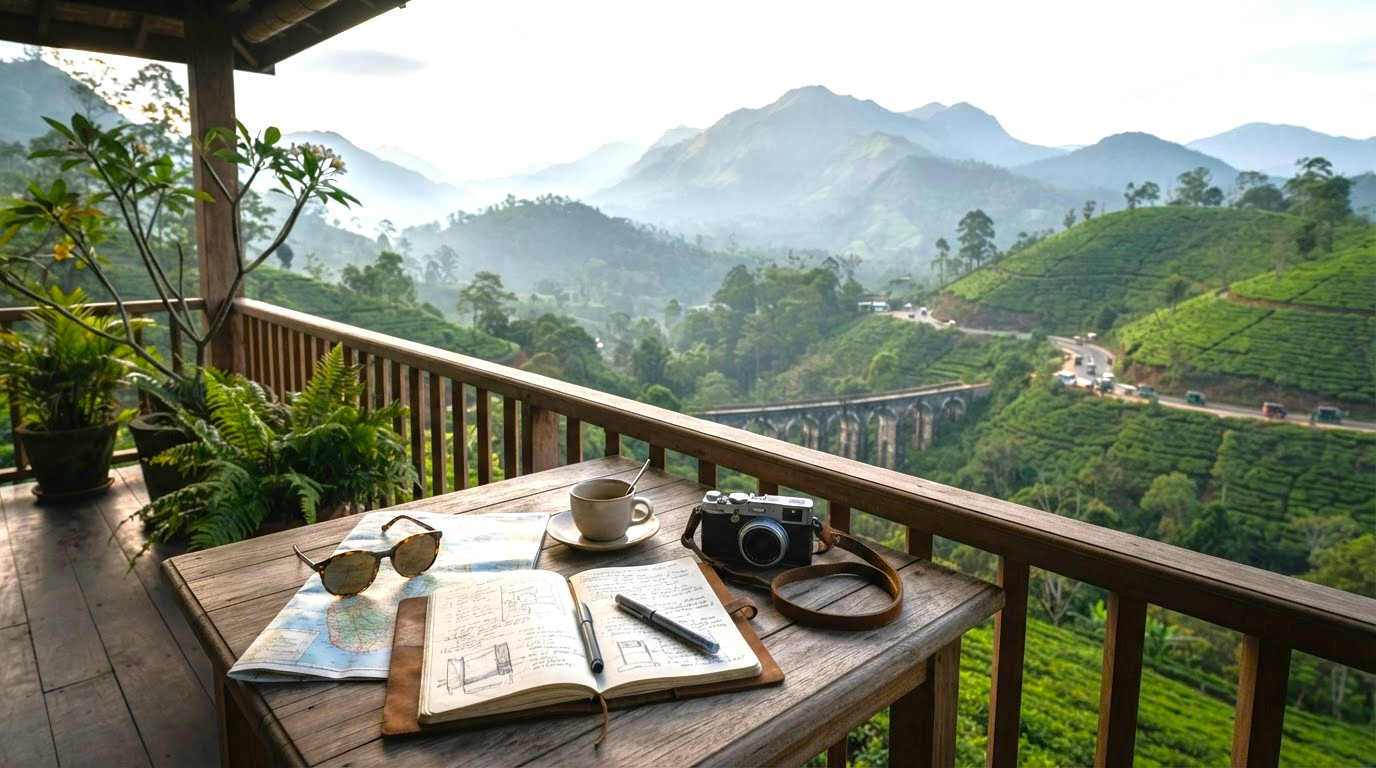
The Hill Country around Ella, Nuwara Eliya and Haputale is beautiful year round but is at its greenest from June to September when the southwest monsoon brings rain to the highlands. The famous train journey from Kandy to Ella can be done in any month and is consistently one of the most scenic rail rides in the world.
History and culture
The Cultural Triangle, covering Sigiriya, Polonnaruwa, Anuradhapura and Dambulla, is accessible year round. From December to March the heat is intense at these low elevation sites so early morning visits are essential. The cooler months of June to September are actually more comfortable for exploring these ruins at length.
Whale watching
Mirissa on the south coast offers blue whale watching from November to April. The east coast near Trincomalee is excellent for sperm whales from May to October. Sri Lanka is one of the best places in the world to see blue whales in the wild.
How Long Do You Need in Sri Lanka?
This is another question we hear constantly. The short answer is that ten days is enough to see the highlights of one or two regions well. Two weeks lets you cover a meaningful circuit of the south, the Cultural Triangle, and the Hill Country at a relaxed pace. Three weeks gives you space to add the east coast or to slow down and spend more time in the places that capture you.
The mistake most first timers make is trying to see everything in too short a time. Sri Lanka is compact but the roads are slow and the distances add up. Building in extra time at the places that matter most to you is always a better decision than rushing between twelve destinations in ten days.
A Note for UK and Australian Travellers
From the UK, direct flights to Colombo are available and the journey takes roughly ten to eleven hours. Given the distance, most British travellers stay for a minimum of two weeks, which is exactly the right amount of time to see Sri Lanka properly without feeling rushed.
From Australia, Sri Lanka is a surprisingly accessible destination. The flight from Melbourne or Sydney to Colombo via Singapore or Kuala Lumpur takes around eleven to fourteen hours. Australians visiting Sri Lanka tend to take longer trips of two to three weeks, which suits the country perfectly. The time difference is also manageable, with Sri Lanka running three and a half hours behind Australian Eastern Standard Time in winter and five and a half hours behind in summer.
The best time to visit Sri Lanka is when you can go. Every season has something remarkable to offer somewhere on the island. The key is knowing where to be and when, and that is exactly what our local experts are here for.
Plan Your Sri Lanka Trip Around the Right Season
Sri Lanka Tour Planner builds private itineraries around your travel dates, your interests, and the seasonal conditions across the island. Tell us when you are thinking of travelling and what you want to see, and we will design a route that makes the most of the conditions at that time of year. The consultation is free and there is no obligation to book.
Get in touch through the contact form or chat with us directly on WhatsApp. We typically reply within two hours.