Last updated: 14 October 2026. Prices, rules and availability change, so please double-check anything time-sensitive before you travel.
Sri Lanka is an easy country to fall in love with, and an easy one to visit once you know a few practical things. Here are the ten that matter most for first-timers: get your ETA before you fly, check official travel advice, carry some cash as well as a card, get a local SIM or eSIM, dress modestly at temples, allow more time than the map suggests for every journey, pack light cotton layers, bring a plug adapter, drink bottled or filtered water, and let a local driver take care of the logistics.
Entry: Get Your ETA Before You Fly
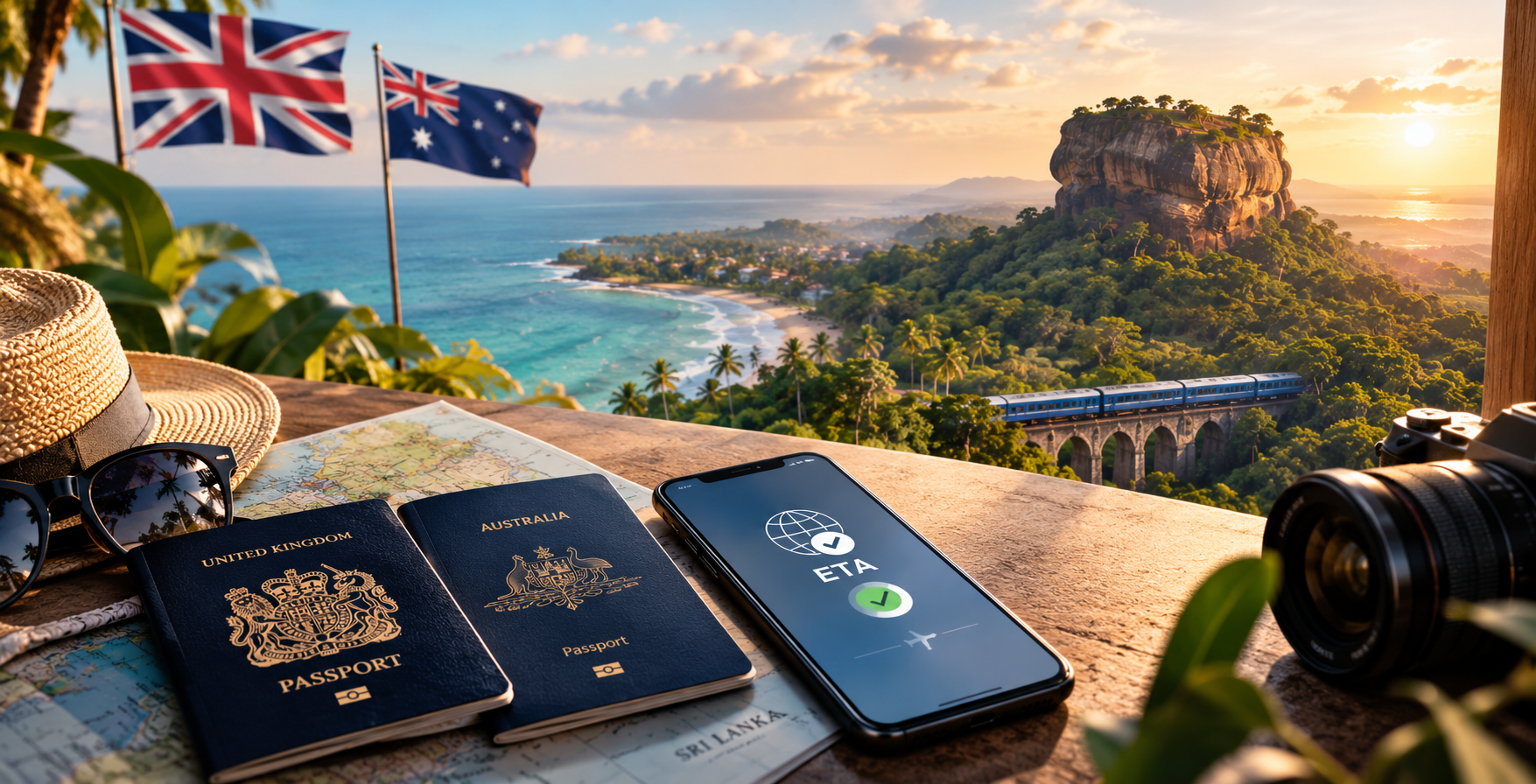
Most visitors, including those from the UK and Australia, need an approved Electronic Travel Authorisation before boarding the flight. It is an online application and takes a few minutes. Read our full guide to the Sri Lanka ETA for UK and Australian travellers, and apply only through the official government site.
Safety and Health
Most visitors have a trouble-free trip, but conditions anywhere can change, so we do not give personal assurances about safety. Instead, check the official advice for your country before you book and again shortly before you fly:
- UK travellers: the Foreign, Commonwealth and Development Office travel advice page for Sri Lanka
- Australian travellers: the Australian Government's Smartraveller advice for Sri Lanka
For health, speak to a travel clinic or your doctor four to eight weeks before departure about recommended vaccinations and any precautions such as protection against mosquito-borne illness. Take out comprehensive travel insurance that covers medical care and any activities you plan to do. Sensible habits help too: use sunscreen and a hat, stay hydrated and stick to bottled or filtered water.
Money: Currency, Cards and Tipping
The local currency is the Sri Lankan rupee (LKR). Cards are widely accepted in hotels, larger restaurants and shops in cities and main tourist areas, but smaller guesthouses, roadside stalls, tuk-tuks and local eateries often prefer cash. Carry a mix of both, and withdraw cash from ATMs inside towns, ideally at bank branches, as needed rather than all at once.
Tipping is appreciated but not compulsory. A service charge is often added to restaurant bills; if it is not, a small tip for good service is customary. It is common to thank your driver at the end of the trip, and small tips for guides, porters and hotel staff are welcome. Check current exchange rates and card acceptance before you go, as these change often.
Staying Connected
You can buy a tourist SIM card at the airport on arrival, from the major mobile networks, with a passport for registration. If your phone supports it, an eSIM is the easier option and can be set up before you land, so you have data from the moment you arrive. Mobile coverage is good in towns and along main roads, but can be patchy in the Hill Country and in national parks. Download offline maps before you travel, and ask your hotel for the Wi-Fi details.
Temple Etiquette and What to Wear
Sri Lanka's temples are active places of worship, so a few simple rules apply:
- Cover your shoulders and knees. Lightweight trousers, long skirts and a shirt or scarf you can drape over your shoulders work well. Many temples will not admit visitors in shorts or sleeveless tops.
- Remove your shoes and hat before entering any temple or shrine. Stone floors can be extremely hot at midday, so visit in the morning or wear thin socks if allowed.
- Never pose with your back to a Buddha statue, and do not touch or climb on statues and monuments.
- Ask before photographing people and monks, and keep your voice low.
Beachwear is fine on the beach and by the hotel pool, but cover up when you walk through towns and villages. For more on culture and cities, see our Cultural Triangle guide.
Getting Around and How Long Journeys Really Take
Sri Lanka looks small on a map, but roads are winding, busy and often slower than you expect. As a rough guide, allow around four hours between Colombo and Sigiriya, six or more hours between Kandy and Ella by road, and around two to two and a half hours between Colombo airport and Galle using the expressway. Times vary with traffic, weather and festivals, so treat every estimate as approximate.
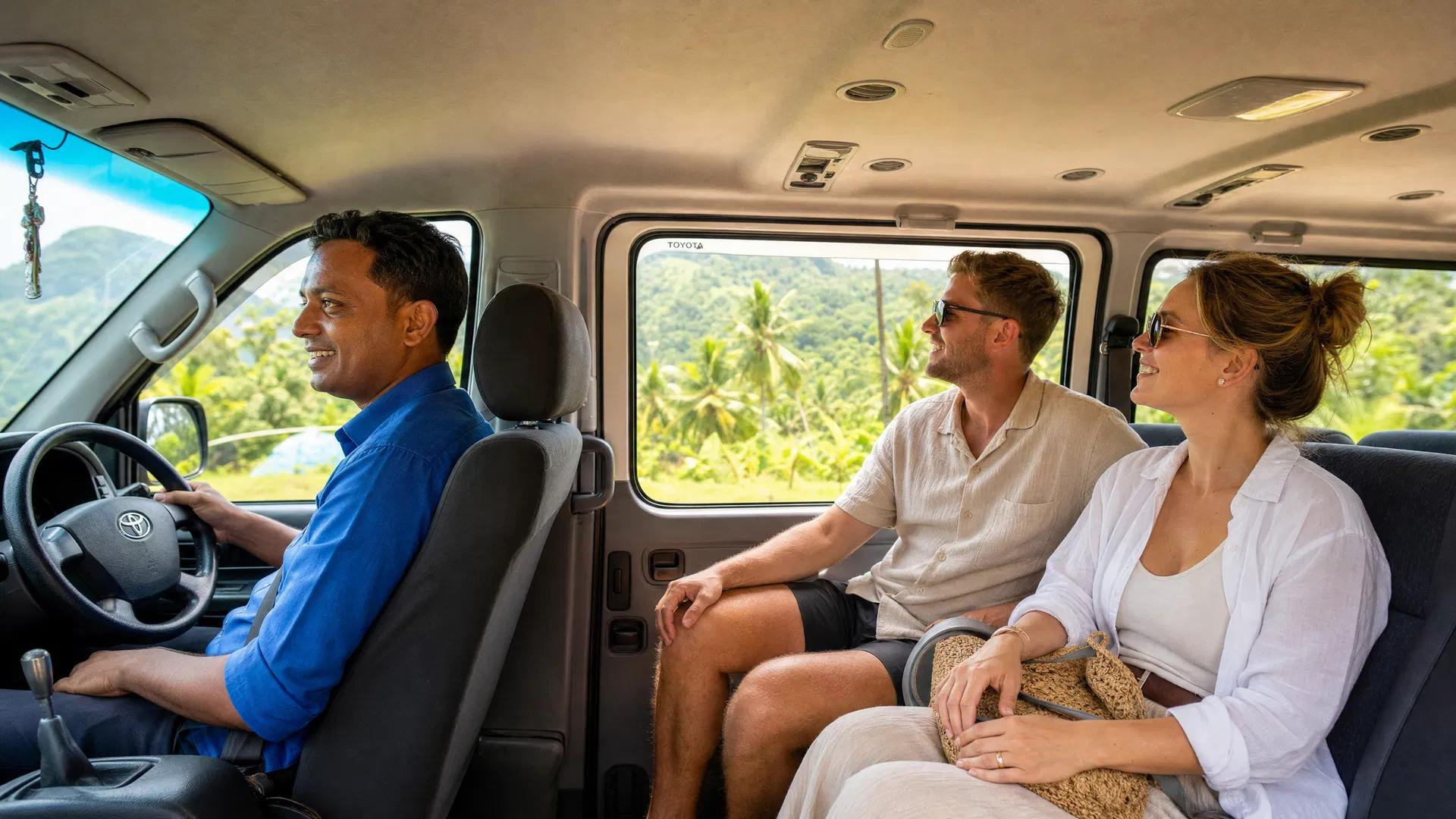
The options are trains (scenic but often crowded and slow), buses (cheap but rarely comfortable with luggage), tuk-tuks (fun for short hops, so agree the fare first) and private cars with a driver. Most first-time visitors find a private driver the most relaxing way to cover long distances. Our article on how to get around Sri Lanka without a tour group explains why.
Plugs, Power and What to Pack
Sri Lanka uses 230V power with a mixture of socket types, commonly type D and type G (UK style) and type M. Bring a universal adapter, and check that your devices can handle the voltage. Power cuts are uncommon in tourist areas but a power bank is useful on long travel days.
- Light, breathable cotton or linen clothing and one warm layer for the Hill Country evenings
- A light rain jacket, especially for the Hill Country
- Comfortable walking shoes that are easy to slip off at temples
- Sunscreen, sunglasses, a hat and insect repellent
- A reusable water bottle, a small first-aid kit and any regular medication
- Copies of your passport, ETA approval and insurance
Food and Experiences Worth Planning For
Do not leave food to chance. Sri Lankan cuisine is one of the highlights of any trip, and it is worth reading our culinary journey guide before you go. If you enjoy active holidays, our adventure guide covers surfing, trekking and more. Weather matters too, so check our guide to the best time to visit Sri Lanka before you lock in your dates.
Not Sure How Many Days You Need?
Ten days is the most popular length for first-timers, and we have laid out a realistic 10 day itinerary with a private driver so you can see how the days fit together.
Common Questions
Do you need a SIM card in Sri Lanka?
You do not strictly need one, but most visitors find a tourist SIM or eSIM very useful for maps, messaging and ride-hailing. Hotels and many cafes have Wi-Fi, but it can be slow outside cities.
Can you use cards in Sri Lanka?
Yes, in most hotels, larger restaurants and shops. Carry cash for smaller places, markets, tuk-tuks and tips.
What should I know before going to Sri Lanka?
Arrange your ETA, check your government's travel advice, dress modestly for temples, and allow more time than you think for every journey. After that, relax and enjoy it.
Sri Lanka rewards travellers who plan the practical parts well, then leave room for the unplanned moments.
Let Us Take Care of the Logistics
If you would rather not juggle transfers, hotels and timings yourself, we can build the whole trip around you with a private driver who knows the island. Tell us your dates and we will take care of the logistics. Planning is free, revisions are unlimited and there is no booking fee. Start with the tailor-made planner, send us a message through the contact form or chat on WhatsApp.