
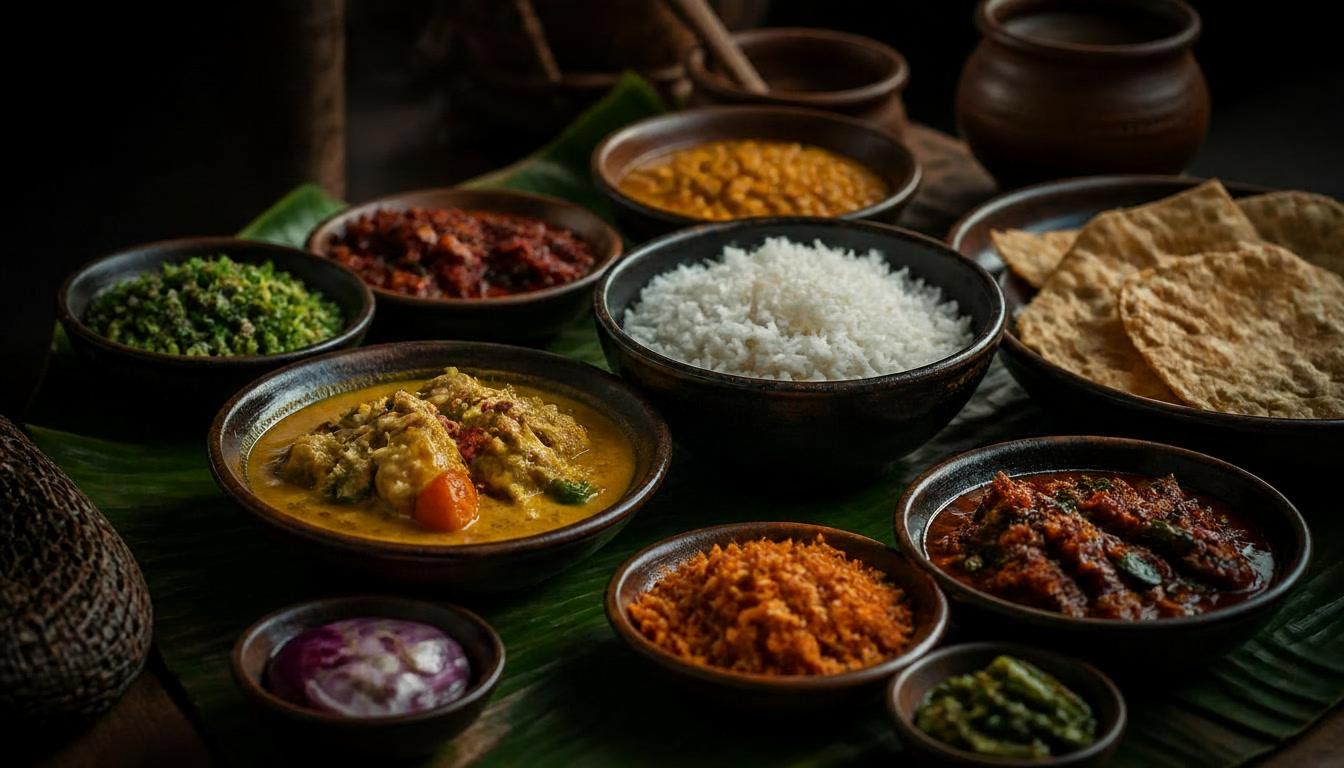
Sri Lankan cuisine is a vibrant tapestry of flavors, influenced by centuries of trade, colonization, and cultural exchange. From the fiery heat of chilies to the subtle sweetness of coconut, Sri Lankan food tells the story of the island's rich history and diverse cultural heritage. This guide invites you on a culinary journey to discover authentic flavors, regional specialties, and the cultural significance behind Sri Lanka's most beloved dishes.
Whether you're a spice enthusiast or prefer milder flavors, Sri Lanka's diverse culinary landscape has something to offer every palate. Let's explore the must-try dishes and experiences that define Sri Lankan gastronomy.
Hoppers (Appam) - The Iconic Breakfast Bowl
Perhaps the most recognizable Sri Lankan food, hoppers are bowl-shaped pancakes made from fermented rice flour and coconut milk. Their unique shape and texture make them a breakfast favorite across the island.
Variations to Try:
- Egg Hoppers: The most popular version with an egg cooked in the center
- String Hoppers (Idiyappam): Delicate noodle-like strands made from rice flour, often served with curry
- Milk Hoppers: Sweeter version made with coconut milk and sometimes jaggery
- Vella Appam: A sweeter variation popular in certain regions
Best enjoyed: Fresh from the griddle, accompanied by sambol (spicy condiment) and curry
Where to find: Street vendors, local restaurants, and specialized hopper huts throughout Sri Lanka
Cultural significance: Represents the resourcefulness of using simple ingredients to create something extraordinary
Kottu Roti - The Street Food Symphony
If you've ever walked down a Sri Lankan street in the evening, you've almost certainly heard the rhythmic clanging of metal blades chopping up kottu roti. This beloved street food dish is a symphony of flavors and sounds that represents Sri Lanka's vibrant urban food culture.
What Makes Kottu Special:
- The Preparation: Chopped roti (flatbread) stir-fried with vegetables, egg, meat, and spices on a hot grilled on a flat iron plate
- The Sound: The distinctive clanging of blades against the iron plate creates a rhythmic soundtrack to Sri Lankan evenings
- Variations: Chicken, beef, seafood, vegetarian, and even cheese kottu
- Accompaniments: Often served with a side of spicy curry sauce
Best enjoyed: Fresh off the griddle, hot and sizzling
Where to find: Street food stalls and markets in cities and towns across the island (especially lively after sunset)
Cultural significance: Represents Sri Lanka's innovative street food culture and ability to create delicious meals from simple ingredients
Rice and Curry - The Heart of Sri Lankan Meals
No discussion of Sri Lankan cuisine would be complete without rice and curry. This staple meal consists of steamed rice served with an assortment of curries and accompaniments, representing the essence of Sri Lankan home cooking.
Components of a Traditional Rice and Curry Meal:
- Rice: Usually steamed white rice, though red rice and other varieties are also popular
- Curries: Typically 3-4 different curries including:
- Dhal Curry: A comforting lentil curry that's a staple in most meals
- Fish or Meat Curry: Prepared with local catch or chicken/goat/beef
- Vegetable Curries: Seasonal vegetables cooked with coconut milk and spices
- Jackfruit or Polos Curry: A unique vegetarian option made from young jackfruit
- Accompaniments: Essential elements that complete the meal:
- Sambol: Spicy condiments like coconut sambol (pol sambol), onion sambol, or seeni sambol (caramelized onion)
- Pickles: Tangy vegetable or fruit pickles that cut through the richness of the curries
- Papadum: Thin, crispy lentil crackers that add texture
- Chutneys: Sweet, sour, or spicy sauces that enhance flavor
Best enjoyed: Freshly prepared, allowing you to mix and match flavors to your preference
Where to find: Everywhere - from home kitchens to fine dining restaurants
Regional variations: Coastal areas feature more seafood curries, while inland regions emphasize vegetable and meat preparations
Cultural significance: Embodies the Sri Lankan values of hospitality, sharing, and making the most of available ingredients
String Hopper and Curry - A Delicate Delight
String hoppers (idiyappam) represent a more delicate and refined aspect of Sri Lankan cuisine. These rice flour noodles are steamed and typically served with curry and sambol, creating a light yet satisfying meal.
The Experience:
- Texture: Soft, delicate strands that melt in your mouth
- Versatility: Pairs well with both vegetarian and meat curries
- Breakfast Favorite: Popular morning meal, especially when fresh
- Special Occasions: Often prepared for festivals and religious ceremonies
Best enjoyed: Warm, with curry poured over the top
Where to find: Traditional restaurants and home kitchens throughout Sri Lanka
Tip: Try them with a spicy chicken or fish curry for a classic combination
Regional Specialties to Discover
- Jaffna Cuisine (Northern Sri Lanka): Known for its distinct Tamil influences, featuring dishes like crab curry, tamarind rice, and unique seafood preparations
- Kandyian Cuisine (Central Highlands): Features hearty mountain fare like jackfruit curry, lotus root stir-fry, and traditional sweets
- Coastal Cuisine (Southern & Eastern Shores): Abundance of fresh seafood prepared in curries, fried dishes, and coconut-based gravies
- Rural Village Food: Simple, wholesome meals made from homegrown ingredients and traditional preparation methods
Food Etiquette and Tips
- Eating with hands: Traditional Sri Lankan meals are often eaten with the right hand - don't be shy to try!
- Spice levels: Don't hesitate to ask for less spicy versions if you're sensitive to heat
- Meal timing: Lunch is typically the main meal of the day, often more elaborate than dinner
- Street food safety: Choose stalls with high turnover where food is prepared fresh and served hot
- Hospitality: If invited to a Sri Lankan home for a meal, consider it an honor and bring a small gift or dessert as a token of appreciation
Sri Lankan cuisine offers a incredible journey for the senses. From the sizzling sounds of kottu being prepared on the street to the delicate aroma of fresh hoppers, each dish tells a story of culture, history, and the warm hospitality of the Sri Lankan people. By exploring beyond the familiar dishes, you'll discover a culinary landscape as diverse and vibrant as the island itself.