Sri Lanka's Cultural Triangle is a UNESCO-designated region that encompasses some of the most significant historical and archaeological sites in South Asia. This triangular area, formed by the ancient cities of Anuradhapura, Polonnaruwa, and Kandy, along with the iconic Sigiriya Rock Fortress, represents over 2,500 years of continuous civilization and Buddhist heritage.
This comprehensive guide will take you through each of these magnificent sites, providing practical information on visiting times, dress codes, hidden viewpoints, and the best seasons to experience these cultural treasures.
Sigiriya Rock Fortress
Often referred to as the "Eighth Wonder of the World," Sigiriya is an ancient rock fortress that rises dramatically 200 meters above the surrounding plains. Key highlights include:
- The Lion's Gate - massive stone paws that once formed the entrance to the palace
- The Mirror Wall - a highly polished wall that once reflected the king's image
- The Frescoes - beautiful paintings of celestial maidens known as "Sigiriya Damsels"
- The Summit - ruins of the king's palace with panoramic views of the surrounding landscape
- The Water Gardens - sophisticated hydraulic systems that still function today
Best time to visit: Early morning (6:00 AM) to avoid crowds and heat
Dress code: Covered shoulders and knees
Hidden viewpoint: The Pidurangala Rock nearby offers a stunning view of Sigiriya at sunset
Anuradhapura - The First Ancient Capital
As Sri Lanka's first capital established in the 4th century BC, Anuradhapura is a sprawling complex of monasteries, monuments, and man-made reservoirs. Don't miss:
- Sri Maha Bodhi - the oldest living human-planted tree in the world (over 2,000 years old)
- Ruwanwelisaya - a magnificent white stupa that embodies Buddhist teachings
- Jetavanaramaya - once the tallest stupa in the ancient world
- Isurumuniya Temple - famous for its stone carvings, particularly the "Lovers"
- The ancient irrigation systems - impressive feats of engineering that supported a vast civilization
Best time to visit: Late afternoon for softer light and fewer tourists
Dress code: White or light-colored clothing is traditional; covered shoulders and knees required
Polonnaruwa - The Medieval Capital
Following Anuradhapura, Polonnaruwa became the second capital of Sri Lanka and showcases a different architectural style influenced by Hindu and Buddhist traditions. Highlights include:
- The Royal Palace complex - remnants of King Parakramabahu I's magnificent residence
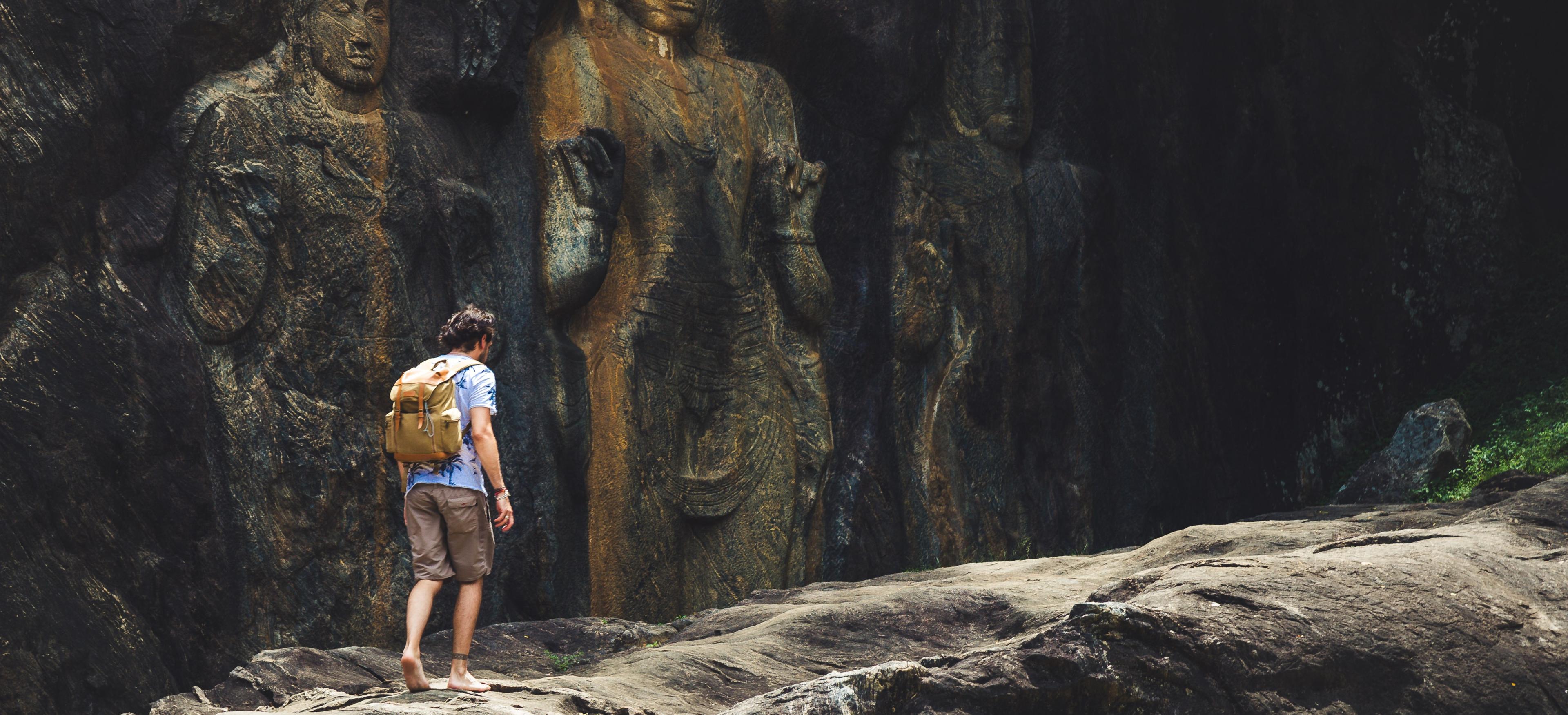
- Gal Vihara - four stunning Buddha statues carved from a single granite rock
- The Quadrangle - a compact collection of religious buildings including the Vatadage
- Parakrama Samudra - a massive man-made lake that still supplies water to the region
- The Lotus Bath - an unique stone bath shaped like a opened lotus flower
Best time to visit: Early morning to explore the extensive grounds comfortably
Dress code: Same as other religious sites - covered shoulders and knees
Practical Tips for Your Cultural Triangle Trek
- Consider hiring a local guide - their knowledge brings the ancient stones to life with stories and historical context
- Start early each day to avoid the midday heat and crowds at popular sites
- Stay hydrated and use sun protection - the Cultural Triangle can be extremely hot and humid
- Respect religious sites by removing hats and shoes when required, and never point your feet toward Buddha statues
- Allocate at least 3-4 days to properly explore all four major sites without feeling rushed
The Cultural Triangle offers more than just ancient ruins; it provides a window into Sri Lanka's rich spiritual heritage, artistic achievements, and engineering marvels that continue to inspire visitors today.